
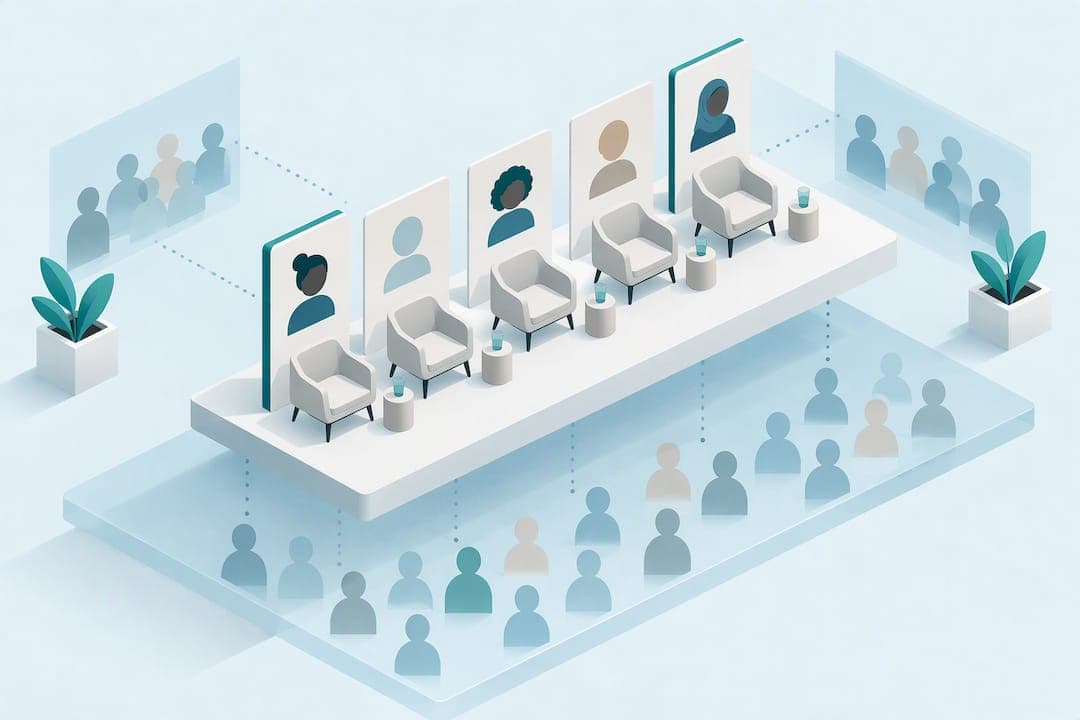
Panel diversity planning is the deliberate process of setting composition targets, sourcing beyond your usual contact list, and building accessibility into a panel before you ever send an invitation. Everything below turns those three moves into a workflow you can actually run.
TL;DR:
- Expanding sourcing channels to affiliated groups, advocacy networks, and verified speaker directories is essential to achieve meaningful panel diversity.
- Documenting clear demographic and professional targets, like at least 40% women, prevents vague intentions from failing during implementation.
- Building backups for each panel seat and framing invitations around expertise, not identity, reduces tokenism and ensures deep representation.
- Active moderation and structured formats are critical to translating panel diversity into equitable participation and genuine conversations.
- Tracking representation and speaking-time metrics live during panels ensures accountability and helps create more inclusive event experiences.
Table of Contents
- Why Panel Diversity Matters: Evidence and Practical Benefits for Organizers
- Planning Framework: Timeline, Roles, and Checkpoints You Can Copy
- Setting Targets and Documenting Panel Composition
- Sourcing and Outreach: Practical Channels and Inclusive Invitation Practices
- Panel Composition and Role Design: Avoiding Tokenism
- Moderation, Format, and Accessibility: Process Design for Equitable Participation
- Measurement, Accountability, and Post-Event Follow-Up
- Organizer Perspective: Lessons Learned, Common Pitfalls, and Practical Shortcuts
- What the Guidance Gets Right, and Where Organizers Still Fall Short
- Finding Verified Speakers Without Rebuilding Your Network From Scratch
- Authoritative Guidance and Toolkits to Consult
- Sources
- FAQ
Why Panel Diversity Matters: Evidence and Practical Benefits for Organizers
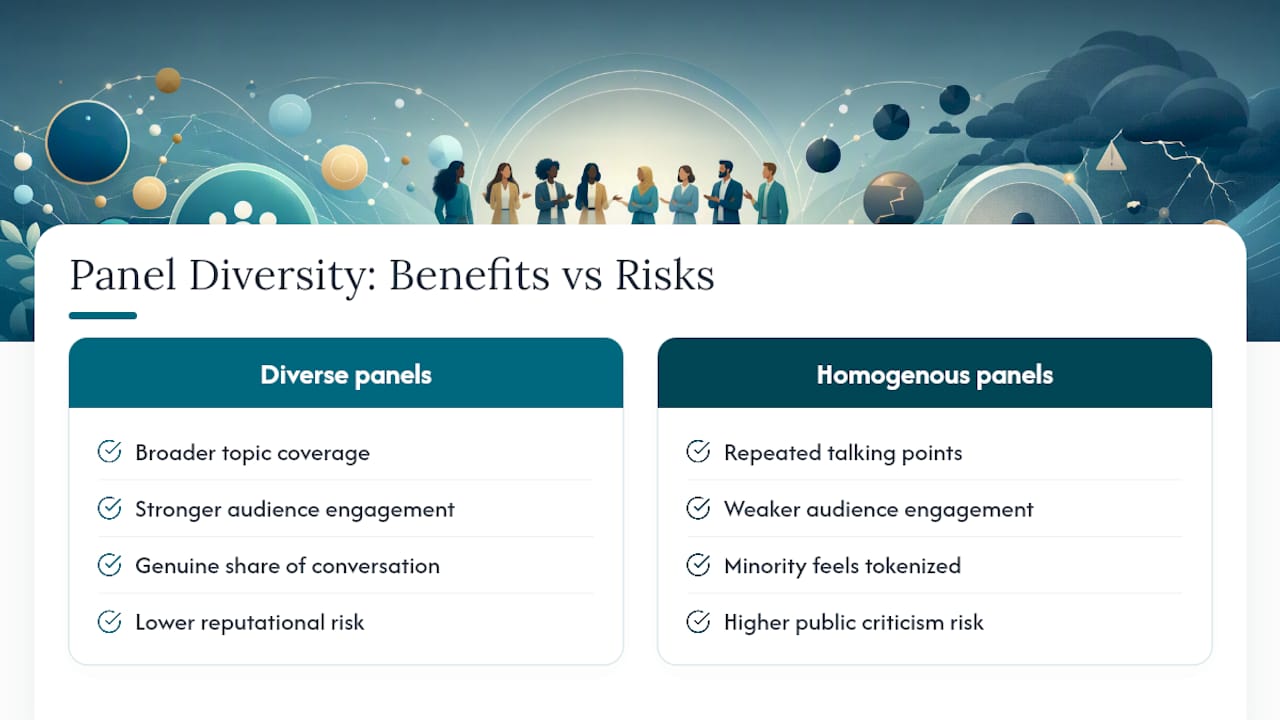
Homogenous panels are a planning failure, not bad luck. When every speaker comes from the same three companies or the same professional circle, you get repeated talking points and a visibly smaller pool of expertise than your event claims to represent. Organizers who treat diversity as a target rather than an afterthought consistently report broader topic coverage and stronger audience engagement, because different professional and lived experiences surface different questions.
The UNDP's panel parity guidance recommends aiming for at least 40% women on any panel, moving toward 50% once you account for other dimensions of diversity like race, disability, age, and geography. That range is not arbitrary. It reflects the point at which a "minority voice" stops being a token seat and becomes a genuine share of the conversation.
If your last three panels averaged below that, you have a documented gap, not just a feeling.
There is a reputational cost to ignoring this. Attendees notice all-male or all-homogenous lineups faster than organizers expect, and the criticism tends to land publicly, on social media and in post-event surveys. The updated IGC Panel Parity Pledge pushes past headcount entirely, arguing that parity without process, meaning who actually gets airtime, is a hollow win. That distinction shapes almost everything in the sections that follow.
Planning Framework: Timeline, Roles, and Checkpoints You Can Copy
Diverse panels don't happen by asking nicely two weeks before the event. They happen because someone owns the process and checkpoints exist to catch drift. Here is a four-stage framework you can adapt to a single panel or a full conference agenda.
- Design stage. Define the panel's purpose, the professional and demographic characteristics that matter for this topic, and how you'll measure success. Write these down before you contact anyone.
- Sourcing stage. Assign one person as sourcing lead, set a firm outreach window (three to four weeks minimum for external panelists), and build a shortlist of at least twice as many candidates as seats, so a decline doesn't collapse your composition.
- Confirmation and prep stage. Lock accommodations (captioning, travel, honoraria), send a speaker brief covering format and expected contributions, and give your moderator a prep session, not just a run sheet.
- Delivery and review stage. Track speaking time during the session, collect feedback from panelists and attendees, and feed both into your shortlist database for next time.
Each stage needs an owner and a deadline, or it quietly slides into the next one. The sourcing stage is where most timelines break, because organizers start there instead of at design, and end up scrambling to fit diverse candidates into a program that was already built around someone else.
Setting Targets and Documenting Panel Composition
Vague intentions don't survive contact with a real agenda. The NCCA's guidance on panel composition requires programs to document their recruitment process and define the specific demographic and professional characteristics that matter, including minimum numbers of subject-matter experts. That standard was built for certification panels, but the logic applies just as well to a conference track or a hiring panel.
Start by choosing which characteristics are actually relevant to this panel's purpose. A panel on rural broadband policy needs geographic diversity as much as it needs gender diversity. A hiring panel for a technical role needs functional diversity (engineering, product, operations) alongside demographic representation.
Then decide how you'll express the target. Useful phrasing options include:
- "No fewer than 40% of panelists identify as women, per UNDP guidance."
- "At least two panelists bring direct lived experience with the topic under discussion."
- "A minimum of three subject-matter experts, drawn from at least two geographic regions."
- "No single company or institution supplies more than one panelist."
Record the target somewhere durable: the event brief, a standing diversity policy, or the panel file itself. Documentation matters because it turns a good intention into something you can be held to, and something a future organizer can copy without reinventing the process.
Pro Tip: Write the target into the event brief before you contact a single speaker. Targets set after outreach begins almost always get quietly abandoned once the first few confirmations come in.
Sourcing and Outreach: Practical Channels and Inclusive Invitation Practices
Your existing contact list is the smallest, least diverse pool available to you. Expanding sourcing channels is the single highest-leverage move in this entire process, and it's also the one organizers skip most often under time pressure.
Useful channels beyond your personal network include:
- Professional affinity groups and associations organized around identity or specialty (women in engineering, Black data scientists, disability advocacy networks).
- Lived-experience organizations and advocacy groups connected to your event's actual topic.
- Verified speaker directories that link listings to confirmed conference appearances, so you can vet expertise before you ever make contact.
- Academic and research networks, which surface voices that rarely show up on the conference circuit.
When you reach out, name the diversity commitment directly. The UITP's diverse panel charter recommends stating your inclusion goals explicitly in the invitation and giving invited speakers input into the panel's questions and framing, rather than handing them a fixed script. That single change measurably increases how comfortable candidates feel accepting.
Ask for concrete evidence when vetting: a short bio, a clip from a past talk, or a link to a confirmed prior engagement. And offer real support up front. The IIED's guidance on panel representation notes that covering honoraria, travel, interpretation, and childcare materially widens who can say yes. Build those line items into your budget before outreach starts, not after someone asks.
Panel Composition and Role Design: Avoiding Tokenism
The most common composition mistake is what practitioners call the "one-diverse-person" trap: a single panelist carries the entire weight of representation for an event, and if they cancel, the whole composition collapses with them. The UITP charter recommends building a deeper bench, multiple qualified candidates per seat, and distributing diversity across your full program rather than concentrating it in one visible slot.
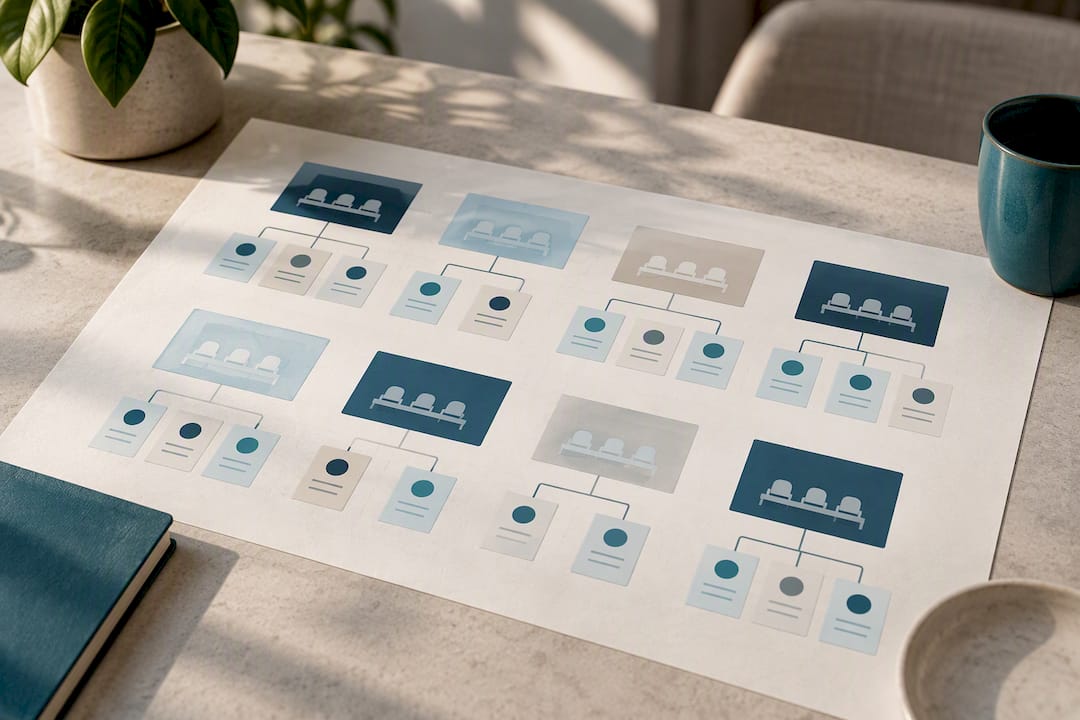
Frame every invitation around expertise and expected contribution, never around identity alone. "We'd like you to speak on supply chain resilience" invites a professional. "We need a woman on this panel" invites a placeholder, and candidates can tell the difference immediately.
A few operational habits protect against tokenism in practice:
- Recruit backups for every seat, not just the ones you consider hardest to fill.
- Never assume a panelist wants their identity disclosed or discussed on stage; ask directly, and let them set the terms.
- Pay consistent honoraria across all panelists doing comparable work, regardless of seniority or how "in demand" a name is.
Pro Tip: If you can't name a backup candidate for a seat within a week of outreach, that's a signal your sourcing pool for that seat is too shallow, not that the seat is impossible to diversify.
Moderation, Format, and Accessibility: Process Design for Equitable Participation
Composition gets you a diverse lineup. Moderation determines whether that diversity actually shows up in the conversation. The updated IGC Pledge makes the case bluntly: presence without process, meaning without attention to who actually speaks and for how long, doesn't deliver the outcomes parity is meant to produce.
A moderator's job goes well beyond time-keeping:
- Set ground rules at the start, including how interruptions and follow-ups will be handled.
- Track speaking time actively, and redirect the conversation when one voice dominates.
- Invite quieter panelists by name rather than waiting for them to compete for an opening.
- Rebalance mid-session if the data shows an imbalance forming.
Format choices help this along. Round-robin prompts, where every panelist answers the same question in sequence, prevent the loudest voice from monopolizing early momentum. Structured short-answer formats and paired Q&A give less-practiced speakers a defined lane. Anonymized audience questions reduce bias in who gets called on.
Statistic Callout: The IGC's own guidance frames this as a shift from presence metrics toward process metrics, tracking speaking-time share during the session itself rather than assuming a balanced lineup produces balanced airtime.
Run an accessibility checklist before the event: captioning or CART services booked, ASL interpretation confirmed if requested, slides shared with panelists in advance, and a venue layout that accommodates mobility needs. Budget for these as fixed costs, not optional add-ons decided the week before.
Measurement, Accountability, and Post-Event Follow-Up
None of this holds up without a record. Core metrics to track include representation by the characteristics you defined at the design stage, the number of sessions that actually hit their targets, and speaking-time share captured live during each panel.
Qualitative signals matter just as much. Ask panelists and attendees directly whether the discussion felt inclusive, and collect specific examples rather than a satisfaction score alone.
- Log representation data and speaking-time splits in a shared spreadsheet immediately after each session.
- Assign one person to sign off on whether targets were met, and record the reasoning if they weren't.
- Store reports somewhere the next organizer will actually find them, not buried in a single planner's inbox.
- Close the loop by feeding lessons into your shortlist database before the next event cycle begins.
| Metric type | What to capture | Who owns it |
|---|---|---|
| Representation | Share of panelists by defined characteristics | Sourcing lead |
| Process | Speaking-time share per panelist | Moderator |
| Feedback | Panelist and attendee inclusion ratings | Event lead |
Accountability breaks down when no single person owns the sign-off. Name that person before the event, not after a complaint arrives.
Organizer Perspective: Lessons Learned, Common Pitfalls, and Practical Shortcuts
The failures repeat across events: a diversity push that starts two weeks out, an accessibility budget added as an afterthought once someone requests captioning, and a moderator handed a run sheet ten minutes before doors open with no real prep. Each one is preventable with earlier planning, not more goodwill.
The shortcuts that actually work are boring ones: a speaker directory that provides vetted names, a persistent shortlist you build once and reuse across events, and a pre-brief template you send every panelist so nobody improvises the ground rules on stage.
Diversity planning also has to reach your vendors and staff choices, not just your panelists, or you'll keep rebuilding the same fixes for every single event.
What the Guidance Gets Right, and Where Organizers Still Fall Short
The research behind this guidance is more useful than most conventional diversity advice because it gives you numbers and documentation requirements instead of good intentions.
Where conventional advice falls short is stopping at headcount. A panel can hit its representation target and still fail its audience if one voice dominates the microphone for twenty of thirty minutes. The IGC's shift toward process measures, tracking who actually speaks, gets this right in a way most diversity checklists still miss.
If you take one thing from this guide, prioritize sourcing before anything else. Every other stage, targets, accommodations, moderation, only works if your candidate pool was wide enough to begin with. Organizers who fix composition at the sourcing stage rarely need to firefight tokenism later.
— Codigos
Finding Verified Speakers Without Rebuilding Your Network From Scratch
Sourcing is the stage where most panel diversity plans stall, because expanding beyond your usual contacts takes real research time most organizers don't have between other event duties. Speakerstrail exists for exactly that bottleneck: a searchable directory of over 1,200 speakers, each one verified against a public conference agenda rather than a self-submitted bio.
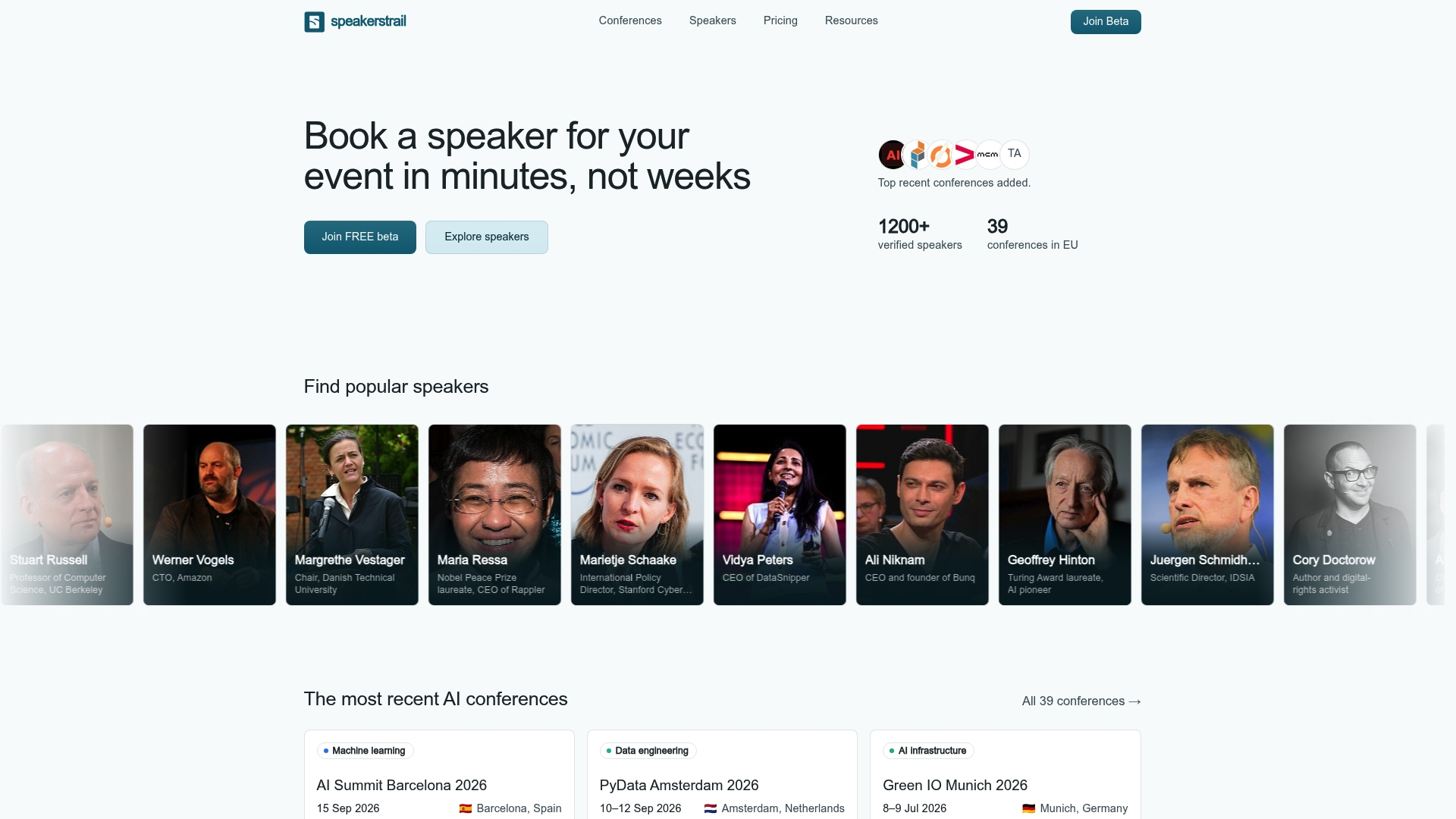
Every listing links directly to a confirmed engagement, so when you're documenting your sourcing process for an NCCA-style composition file, you already have the evidence attached. Filters let you narrow your search by topic and background, and some accounts can export shortlists directly into your event brief. Browse the verified speaker directory to build your next shortlist, or check a confirmed profile like Alex Booker's to see how the evidence links work in practice before you commit outreach time.
Authoritative Guidance and Toolkits to Consult
For the formal policy language behind this framework, go directly to the source documents:
- UNDP panel parity guidance for the 40 to 50% target range and equity framing.
- NCCA Standards for documented composition targets and defensible recruitment processes.
- Inclusive events toolkit for operational checklists spanning planning through post-event review.
Sources
- UNDP panel parity guidance (2026)
- UITP diverse panel charter (2025)
- IIED guidance on panel representation
FAQ
What Are the Main Types of Diversity to Consider on a Panel?
Panel diversity planning typically weighs gender, race and ethnicity, age, disability, geography, professional background, and lived experience related to the panel's topic. Which characteristics matter most depends on your event's subject, which is why the NCCA's guidance recommends defining relevant characteristics at the design stage rather than applying a generic checklist.
What Percentage of Women Should Be on a Panel?
The UNDP recommends at least 40% women as a practical starting target, moving toward 50% once other diversity dimensions are factored in. Treat this as a floor to document and track, not a ceiling to stop at once reached.
How Do You Avoid Tokenism When Building a Diverse Panel?
Avoid inviting a single panelist to represent an entire identity group, and instead distribute diverse representation across your full event program with backup candidates for every seat. Frame invitations around expertise and expected contribution, and let panelists decide for themselves whether and how their identity gets discussed on stage.
Can a Verified Speaker Directory Help With Panel Diversity Planning?
Yes. A directory like Speakerstrail speeds up the sourcing stage by surfacing candidates outside your existing network, with each listing linked to a confirmed conference appearance you can cite as evidence in your composition documentation.
What Should Be Included in an Accessibility Budget for Panels?
Budget for captioning or CART services, ASL interpretation where requested, advance slide sharing, and a venue layout that accommodates mobility needs. Treat these as fixed costs decided during the design stage, not optional extras added after a panelist requests them.